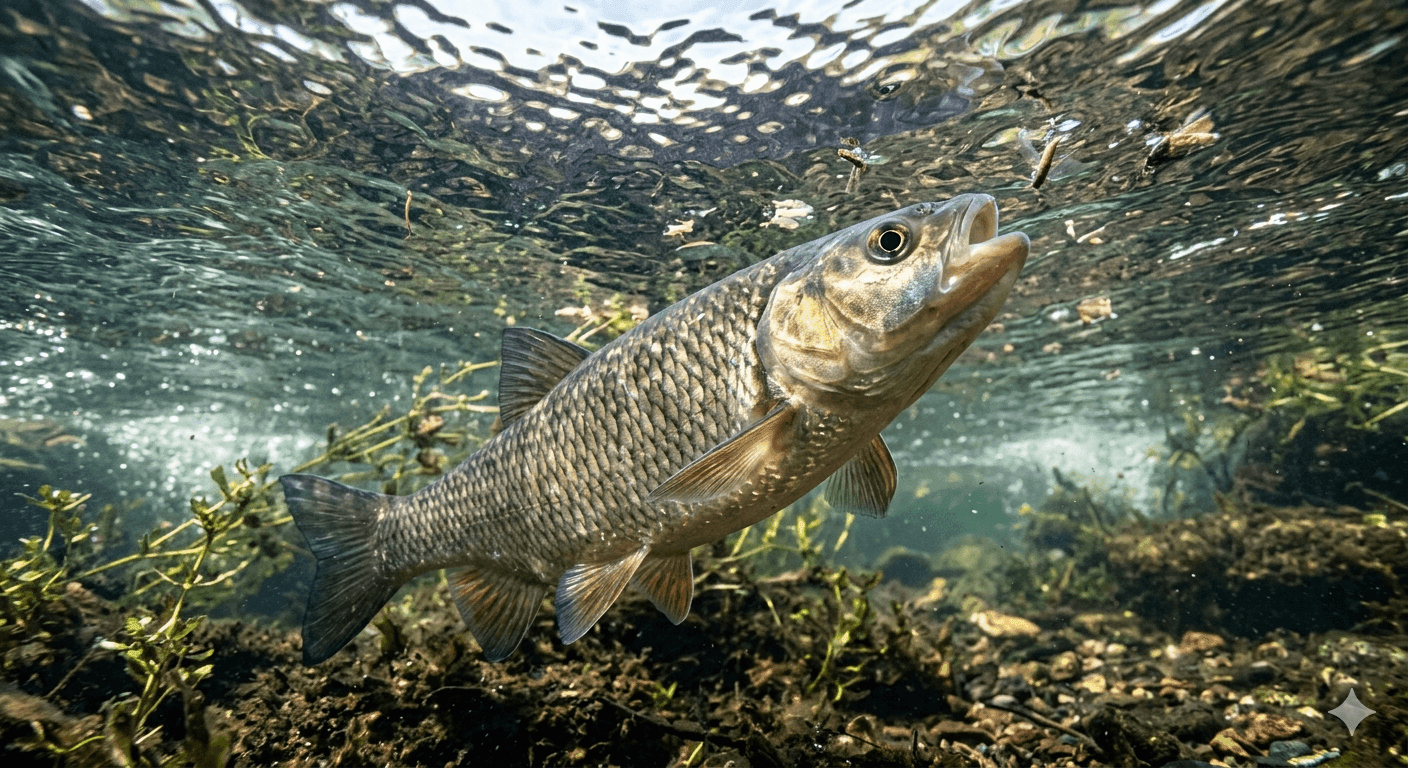
Chub
Squalius cephalus
An underrated dry-fly quarry — chub rise freely to surface imitations and grasshopper patterns, offering exciting visual sport across European rivers.
Medium to large rivers with moderate flow, gravel and sand substrates, and bankside vegetation. Favours shaded stretches under trees.
25–60 cm, typically 0.5–2 kg; exceptional fish in productive rivers can exceed 4 kg.
Squalius cephalus
Widespread across Central and Western Europe — England, France, Germany, Poland, Baltic states, Czech Republic, and the Danube basin.
The chub is perhaps the most overlooked dry-fly fish in Europe. While trout anglers walk past pools holding double-figure chub sipping flies from the surface, most simply don't realise what they're missing.
Chub are predominantly warm-water fish, most active in summer when river temperatures rise above 15 °C. They are extremely visual, with large, golden eyes angled upward to monitor the surface.
Fly fishing tactics
Terrestrial Dry Fly
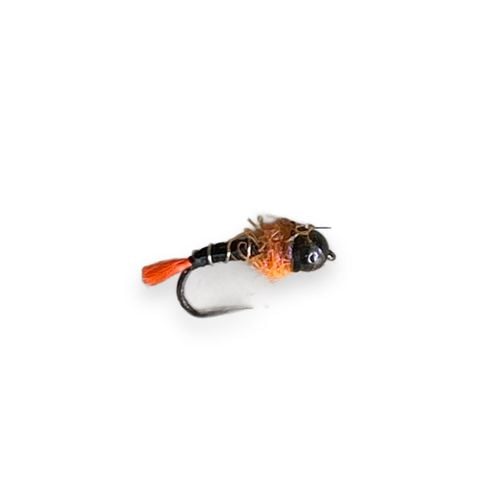
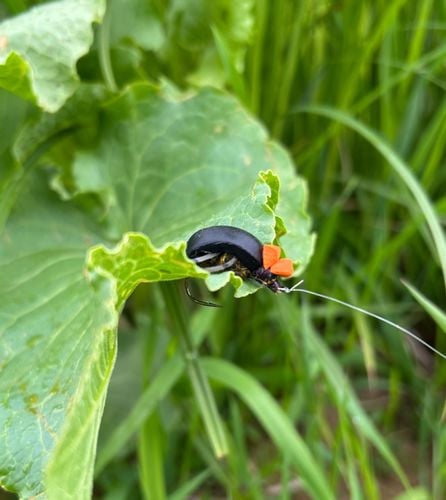
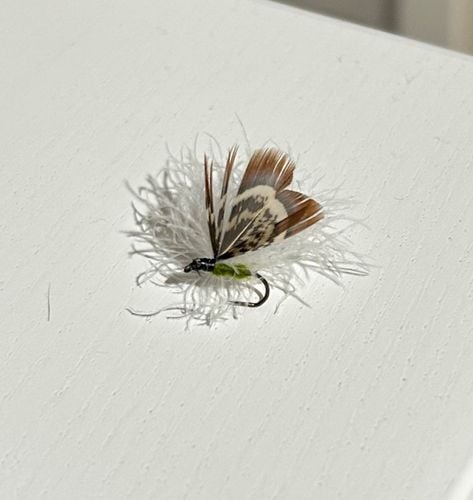
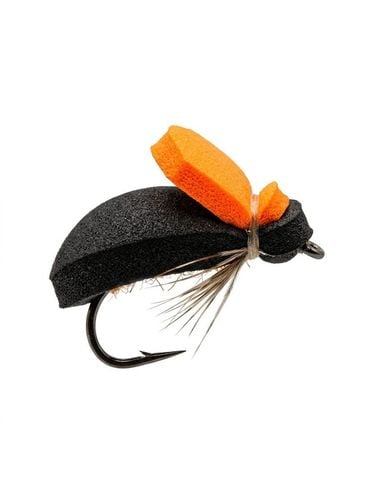
From July onwards, grasshoppers, daddy long-legs, beetles, and ants blown onto the water trigger instant surface responses. Tie on a large foam or deerhair terrestrial imitation.
Upstream Dry in Riffles
In broken, faster water chub hold in seams and behind boulders and respond to standard trout dry fly tactics.
Recommended flies
Best months
Other species
Arctic Char
Salvelinus alpinusA relic from the last Ice Age — the arctic char inhabits the coldest and deepest lakes of Northern Europe and offers pure wilderness fly fishing.
Asp
Leuciscus aspiusA fast, aggressive surface predator unique to European rivers — asp fly fishing combines the excitement of sight fishing with explosive surface takes.
Atlantic Salmon
Salmo salarThe king of rivers — a powerful anadromous fish that returns from the ocean to spawn in its birth river.
Barbel
Barbus barbusA powerful bottom-feeding river specialist whose strength in fast current makes it one of Europe's most underrated fly-rod fish.
Brown Trout
Salmo truttaThe most iconic freshwater fish in European fly fishing — wary, selective, and endlessly fascinating.