Secure delivery without guesswork

Sale
Home
Flies
Tying materials
SellersSpeciesHatchesBlogAbout
Contact us
Iron Blue Dun
Mayflies

Iron Blue Dun

Nigrobaetis niger — Iron Blue, Jenny Spinner, Little Claret Spinner

The fly fisher's dark secret — a small, near-black mayfly that hatches prolifically in cold, blustery conditions when nothing else is on the water.


Order

Mayflies — Ephemeroptera

Family

Baetidae

Size / Hook

Body 5–7 mm / Hook size 16–18

Emergence

Midday (cold-weather hatches)

Water type

Chalk streams and faster gravel rivers across the UK and Central Europe

Lifecycle

The Iron Blue nymph is a fast-swimming Baetid, similar in behaviour to the BWO nymph but darker — almost charcoal in colour — and notably adapted to hatching in adverse conditions. The nymph is slender, active, and matures quickly through its larval stage relative to larger mayfly species.

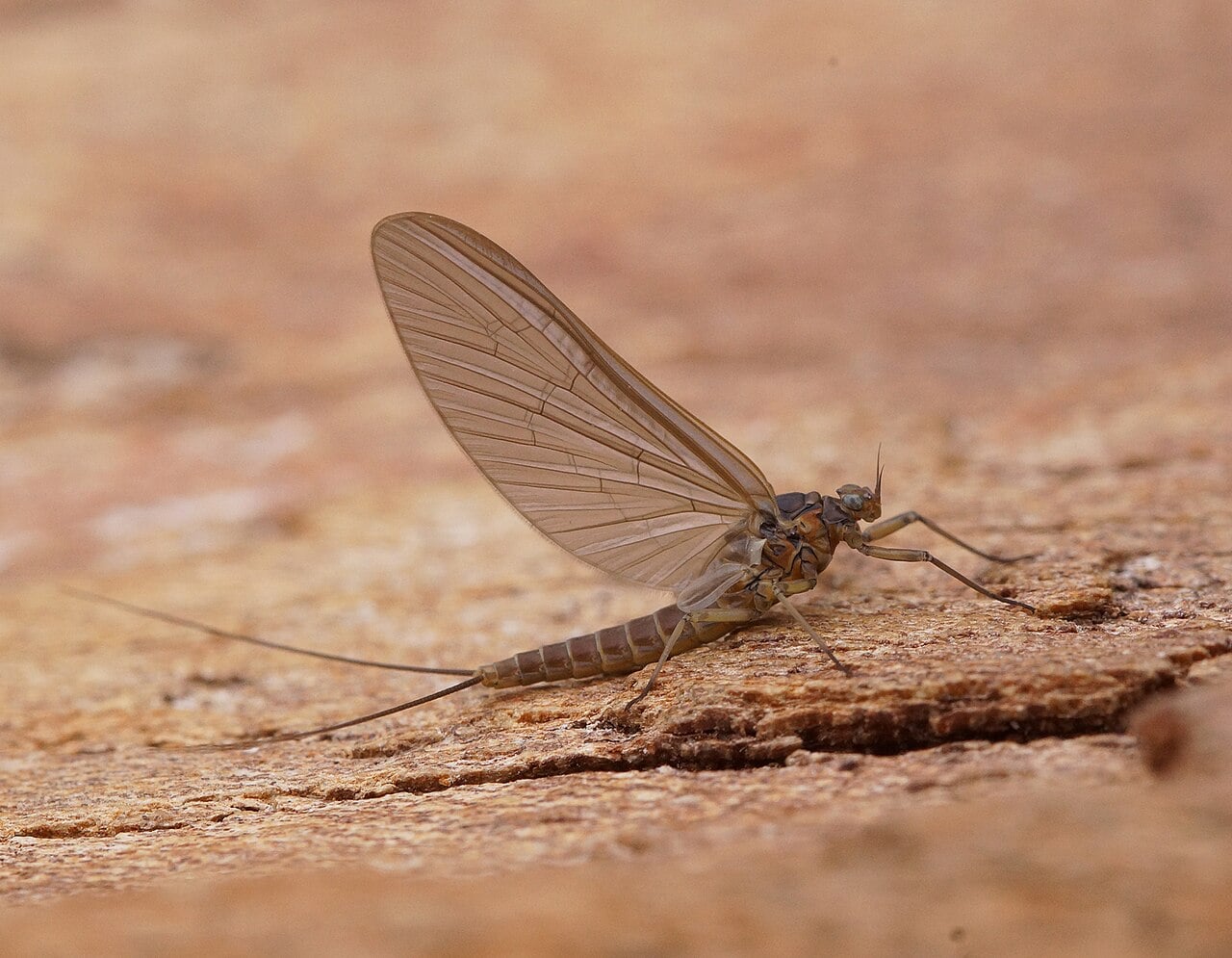
The emergence strategy of the Iron Blue is unusual: rather than emerging on calm, warm evenings, it hatches in large numbers on cold, wet, or overcast days in spring and autumn when other hatches are suppressed. On blustery April days when the water surface is rough and most anglers have gone home, an Iron Blue hatch can produce intense surface feeding. The near-black dun, with its distinctive dark blue-grey wings, hatches rapidly through the choppy surface film.

The spinner — the Jenny Spinner or Little Claret Spinner — is red-brown in the female and white-winged, emerging in calm conditions before dusk. Spinner falls can be prolific and remarkably concentrated in late evening.


Peak months
April
May
September
October

The Iron Blue Dun is the dark horse of European fly fishing hatches. While most anglers pack up on cold, grey April days with a rising wind, the angler who stays discovers some of the most intense surface feeding of the entire season. The Iron Blue hatches on exactly the kind of day when other insects don't — and fish that have been starved of surface food in cold spring weather respond with extraordinary enthusiasm.

Nigrobaetis niger was historically confused with several closely related species; the name covers a complex of dark small olives that share the trait of cold-weather emergence. Despite their small size, when Iron Blues hatch in good numbers the surface activity can be manic — fish rising repeatedly in what appears to be genuinely greedy, non-selective feeding.

Do not be fooled by the apparent lack of selectivity. Trout feeding on Iron Blues in choppy, difficult surface conditions will still refuse a pattern that is the wrong size or sitting on the wrong part of the water. The small size (16–18) demands delicate tippets and precise casting, particularly on chalk streams where the surface remains relatively clear despite the wind.


Fishing tips

The Miserable-Day Advantage

If you see Iron Blues hatching in cold, blustery conditions, resist the urge to leave. These are often the most productive hours of the season. Fish are hungry, the hatch is reliable, and there is rarely competition from other anglers. Position yourself on a productive riffle or glide and work methodically through rising fish.

Small Fly Discipline

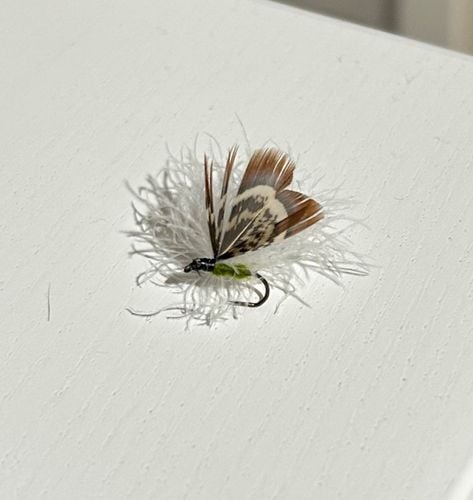
A size 16–18 Iron Blue Dun pattern (dark dun hackle, near-black body, blue-dun wings) is essential. Scale down to a 7X tippet if fish are being selective. The small presentation demands a longer, lighter leader than normal — 14–16 ft tapered to 7X is not excessive on clear chalk streams.

Jenny Spinner in the Evening

Late autumn Iron Blue spinner falls (Jenny Spinner) occur in calm, mild evenings in September–October. The white-winged female spinner falling spent on the surface triggers selective and challenging feeding. Carry flat-wing white-body spinner patterns in size 16–18 for these situations.


Fly patterns
Iron Blue Dun
Black Klinkhammer
CDC Dark Dun
Jenny Spinner
Dark Olive Nymph (size 16)
Hare's Ear (dark)
Other hatches
Mayflies
Green Drake
Ephemera danica

The iconic mayfly of British chalk streams — its annual emergence signals the most celebrated fortnight in fly fishing.

Mayflies
Blue Winged Olive
Serratella ignita

The most important small olive on British and European chalk streams — reliable, widespread, and technically demanding.

Mayflies
March Brown
Rhithrogena germanica

The first major hatch of the European fly fishing season — a welcome sight on cold, rocky rivers in early spring.

Mayflies
Caenis / Angler's Curse
Caenis horaria

The infuriatingly tiny mayfly that hatches in such vast numbers that fish refuse to look at anything larger — the tying and presentation challenge of a lifetime.

Caddisflies
Grannom
Brachycentrus subnubilis

The first major caddis of the year — appearing in huge April swarms, the Grannom kick-starts the surface fly fishing season on chalk streams.


Target species

Salmonidae
Brown Trout

Salmo trutta

Salmonidae
Grayling

Thymallus thymallus

Salmonidae
Rainbow Trout

Oncorhynchus mykiss


Related flies

View all
Pre-order
Limited edition
Tactical Tungsten Jig Nymph

Tactical Tungsten Jig Nymph

€2.80
Out of stock
Yellow Owl F-Fly

Yellow Owl F-Fly

€4.10
Only 1 left
Coming soon
Mayfly CdC

Mayfly CdC

€0.00
Out of stock
Coming soon
midnight-pupa-midge

The Midnight Midge Pupa

€2.50
Out of stock
Sold by Jonas Kopustas

Handcrafted flies for European rivers and lakes. Every pattern composed with mindful materials and tied by anglers who know the water.

info@muses.lt

Become a seller

Have flies to list? Apply to sell and reach anglers looking for trusted handmade patterns.

Sell your flies

General

HomeBlogAboutContactSpeciesHatches

Shop categories

Flies
NymphsStreamersDry FliesWet FliesBugs
Fly Tying Materials
BeadsHooks

Sellers

SellersSell your fliesSeller Terms of ServiceSeller AgreementProhibited items

Support

Privacy PolicyTerms & ConditionsRefund PolicyShipping PolicyCookie PolicyPayment PolicyGDPR & Data ProcessingDispute Resolution

Subscribe to the newsletter

Get fresh fly drops, policy updates, and seller news in your inbox.

​

Guaranteed safe & secure checkout

Powered by Stripe
Visa
Mastercard
American Express
JCB
Discover
Diners Club
© 2026 Musės. All rights reserved.