Great Red Sedge
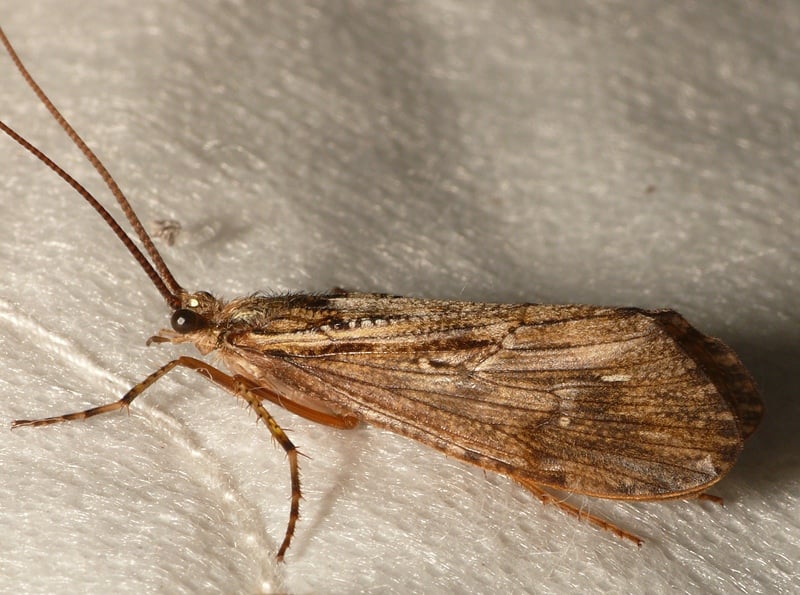
Phryganea grandis — Murragh, Great Caddis
The largest caddisfly in the British Isles — powerful summer evening hatches provoke aggressive takes from the biggest trout and sea trout after dark.
Caddisflies — Trichoptera
Phryganeidae
Body 20–28 mm / Hook size 8–12
Evening & night
Large rivers, deep limestone loughs, and lake margins
Lifecycle
Phryganea grandis is the largest caddisfly in the British Isles. Its larva builds a spiral-shaped case from cut sections of leaf and stem arranged in a perfect helix. The pupa swims powerfully through the water column when ascending to hatch.
Peak months
The Great Red Sedge is the fly fisher's night hunter. While most caddis hatches are daytime or early evening events, Phryganea grandis is primarily a nocturnal hatcher — and the trout and sea trout that pursue it are among the largest fish in the river or lake system.
Fishing tips
Skated Surface Presentation
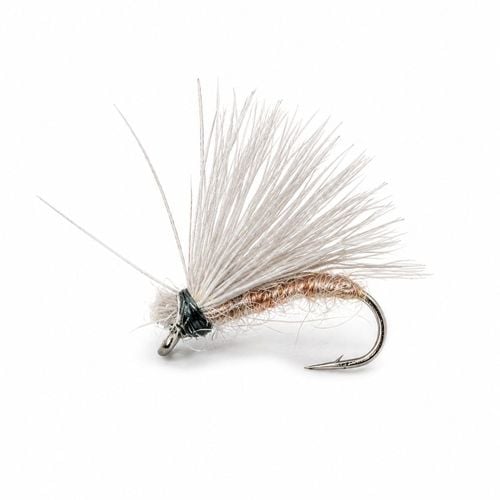
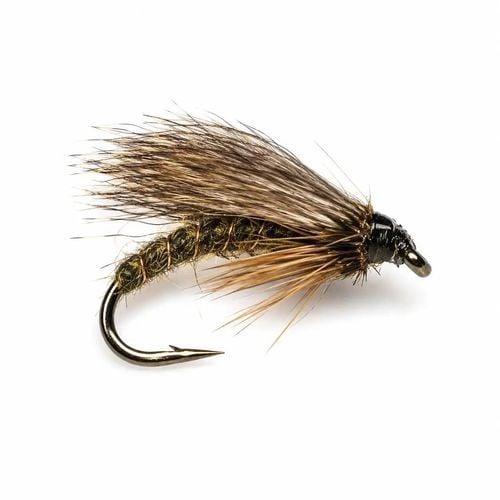
The defining technique for Great Red Sedge fishing. Cast a large, bushy sedge pattern (Murragh, Elk Hair Caddis or Stimulator in size 10–12) across the current and allow it to skate creating a V-wake.
Fly patterns
Other hatches
TerrestrialsBlack Gnat
Bibio johannisA ubiquitous summer terrestrial — the Black Gnat is available to fish on virtually every European river when other hatches are quiet.
MayfliesBlue Winged Olive
Serratella ignitaThe most important small olive on British and European chalk streams — reliable, widespread, and technically demanding.
Midges & DipteraBuzzer / Midge
Chironomidae sp.The most important insect of all on stillwaters — year-round, in every month, on every productive lake and reservoir in Europe.
MayfliesCaenis
Caenis horariaThe infuriatingly tiny mayfly that hatches in such vast numbers that fish refuse to look at anything larger — the tying and presentation challenge of a lifetime.
CaddisfliesCinnamon Sedge
Limnephilus lunatusA common summer evening caddis found across Europe — its reliable evening hatches from June to August provide consistent dry fly fishing.